.png)
Considerations for Traveling with Medical Conditions: Anxiety
- Alethea Johnekins
- May 21
- 4 min read

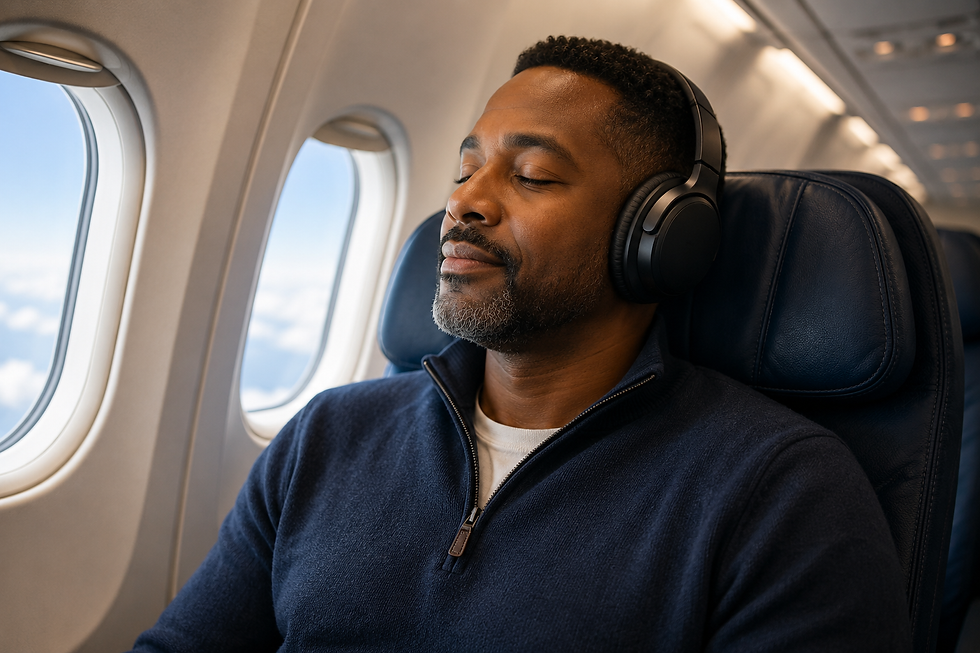
For those living with anxiety, travel can bring a unique set of challenges. Anxiety often creates apprehension about unfamiliar situations, uncertainty, and being away from the comfort of home.
For the purpose of this article, I want to explore anxiety from a medical perspective rather than simply as everyday stress or worry.
Anxiety is not simply fear, though fear can certainly be part of it. It is not just overthinking, although racing thoughts may be one symptom. It is not necessarily a phobia, though phobias and anxiety disorders can overlap. According to the American Psychological Association, anxiety is:
“An emotion characterized by apprehension and somatic symptoms of tension in which an individual anticipates impending danger, catastrophe, or misfortune.”
For travelers living with anxiety, the symptoms can feel very real, overwhelming, and sometimes frightening.
Before continuing, it is important to note that this article is not intended to replace professional medical advice. If you experience symptoms that concern you, seek medical attention. However, many people who have lived with anxiety for years become familiar with their own patterns and can often recognize when symptoms are anxiety-related versus something that feels medically different. Even so, caution is always wise.
One resource I personally found helpful is the YouTube channel of Dr. Tracey Marks. Like many people with anxiety, I assumed I understood which symptoms were connected to my anxiety. It turns out I only understood part of the picture.
Dr. Marks discusses common cognitive symptoms of anxiety such as:
Overthinking
Catastrophizing
Rumination
She also explains the many physical, or somatic, symptoms anxiety can cause, including:
Weak legs
Heart palpitations
Dizziness or lightheadedness
Tunnel vision
Trouble swallowing
Chest or back pain
Neck and shoulder pain
Headaches
Flushing or heat sensations
For travelers, any combination of these symptoms can quickly become distressing. One especially important point Dr. Marks makes is that anxiety does not always require a trigger. While many people associate anxiety attacks with a specific stressful event, sometimes anxiety appears without an obvious cause at all.
So how can travelers reduce anxiety and keep it from overshadowing their trip?
Plan Ahead When Possible
While not all anxiety comes from triggers, travel itself introduces many situations that can increase stress. Planning ahead can reduce uncertainty and help travelers feel more prepared and in control. According to Natasha Daniels, a licensed therapist, Youtuber, and person living with anxiety, preparation is one effective tool for managing travel anxiety.
For example, if you have a fear of flying, watching videos from pilots explaining how airplanes work may help reduce fear through understanding. The science behind flight is remarkable, and sometimes knowledge helps quiet the “what if” thoughts.
Bring comfort items whenever possible. Pack your favorite music, headphones, books, games, or calming distractions. Airlines allow passengers to bring snacks, so consider packing familiar foods that help you feel comfortable.
For travelers with digestive conditions or anxiety related to restroom access, planning restroom stops ahead of time can significantly reduce stress. On a recent road trip, I even used AI to map rest stops every two hours at locations known for cleaner and more reliable bathrooms.
For those who struggle with fear of the unknown, researching destinations beforehand can help tremendously. Browse restaurant menus, attractions, maps, and hotel layouts in advance. Many attractions now provide “social stories” or visual walkthroughs designed for individuals with autism, but these resources can also help adults and children with anxiety by showing step-by-step what to expect.
The key is identifying what specifically increases your anxiety and proactively finding ways to reduce uncertainty before you are already overwhelmed.
Practice Coping Skills Before You Travel
If you live with anxiety, panic attacks, or periods of emotional overwhelm, it is important to practice coping techniques before your trip. In the middle of a panic episode is not the ideal time to attempt a grounding strategy for the very first time.
A therapist can help you develop and practice coping mechanisms ahead of travel.
Dr. Marks discusses several strategies that may help during periods of heightened anxiety:
Cold Stimulation
Applying something cold, such as ice, cold water, or an ice pack to the neck or face, may help calm the nervous system. This technique can be especially helpful during intense panic symptoms when logical thinking feels difficult.
Cognitive Defusion
When anxiety causes catastrophic thinking, cognitive defusion can help create emotional distance from fearful thoughts.
Instead of thinking:
“This plane is going to crash.”
You might reframe it as:
“I’m having the thought that this plane is going to crash.”
That subtle wording shift helps separate you from the thought instead of treating the thought as an absolute reality.
Bilateral Stimulation
Dr. Marks also discusses bilateral stimulation techniques, which are sometimes used to help regulate panic and anxiety responses.
Simple examples include:
Alternating taps on your knees
Crossing your arms and alternating taps on each shoulder
Alternating rhythmic tapping patterns from one side of the body to the other
Many people find these repetitive cross-body movements calming during moderate to severe anxiety episodes.
Give Yourself Permission to Take Breaks
Traveling with anxiety sometimes means accepting limits, and that is okay.
Taking breaks does not ruin the experience; often, it preserves it.
For example, if your group loves roller coasters but you know they trigger anxiety, it is perfectly acceptable to skip the ride and enjoy another part of the park while others participate. Learning when you are overstimulated and allowing yourself time to reset can help you continue enjoying the trip instead of pushing yourself into emotional exhaustion. Sometimes a short pause is exactly what allows you to keep going.
Final Thoughts
Anxiety is a very real medical condition affecting millions of adults and children. Severe anxiety can sometimes feel like a gate keeping people from fully experiencing life, but it does not have to define every decision.
Travel may require extra planning, preparation, flexibility, and self-awareness. That does not make the experience less meaningful. In many cases, it makes the victories even greater.
Give yourself permission to prepare ahead, use the tools available to you, advocate for your needs, and still pursue experiences that bring you joy.
You only get one life. You deserve the chance to live it fully.

Comments